
The Age of Trillionaires
The first trillionaire in US dollars could arrive in 2026! It's a sum so vast that our brains have trouble understand it. Well, I may have an easy way to help you understand what it entails.

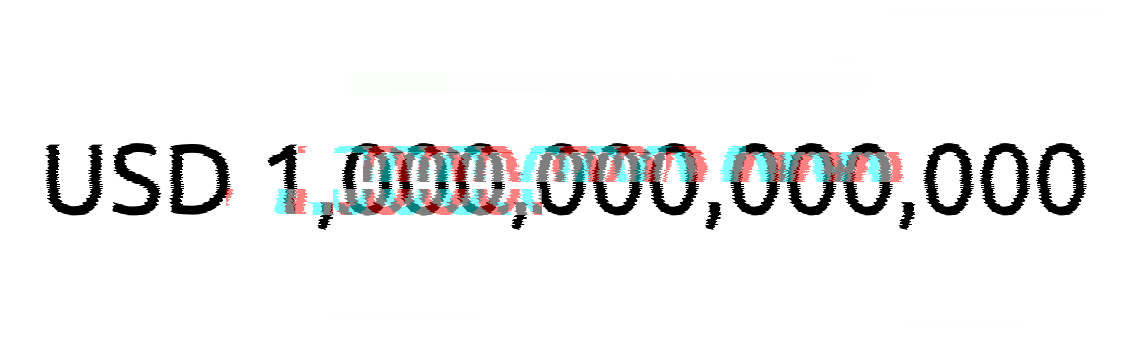
In 2025, the wealth of several centibillionaires increased by unfathomable amounts. At the beginning of 2026—Happy (?) New Year, by the way—Elon Musk was said to be worth more than $700 billion.
Unless the US economy collapses this year, which is not outside the realm of possibilities but still unlikely, he could become the first trillionaire ever. And if the trend continues, he won't remain the only one for long.
However, this post is not about Elon Musk. Nor is it about the fact that the oligarchy possesses more wealth than anyone could ever imagine while the rest of the world becomes poorer every day. Well, it's a little bit about that: the "more than anyone could ever imagine" part.
You see, I think one reason we've accepted billionaires is that most people can't imagine what a billion dollars is. Maybe people can have a rough idea of one million? But one billion is too abstract. If you ask random people, many of them will tell you that it's a little more than one million, but not that much more.
Well, one billion is much more than one million.
One hundred billion is also much more than one billion.
As you might have guessed, one trillion is much more than one hundred billion.
On trillion is a number our brains can't comprehend.
One trillion dollars is about the GDP of Poland or Switzerland. It's half the GDP of Canada or Brazil. The US GDP is about 30 trillion. This means that if Musk becomes a trillionaire this year, he alone will be worth about 3% of the U.S.
It's crazy, but still too abstract for most people, myself included.
I have one way that will help us understand, though.
Let's change these dollars, not into another currency, but into seconds.
Imagine one dollar equals one second. Easy, right? Ten dollars are ten seconds, sixty dollars are one minute, and so on.
Using various GDPs per capita in USD (approximate numbers, source: World Bank), we get the following: